
Gum Recession and Periodontal Disease: Causes & Treatment
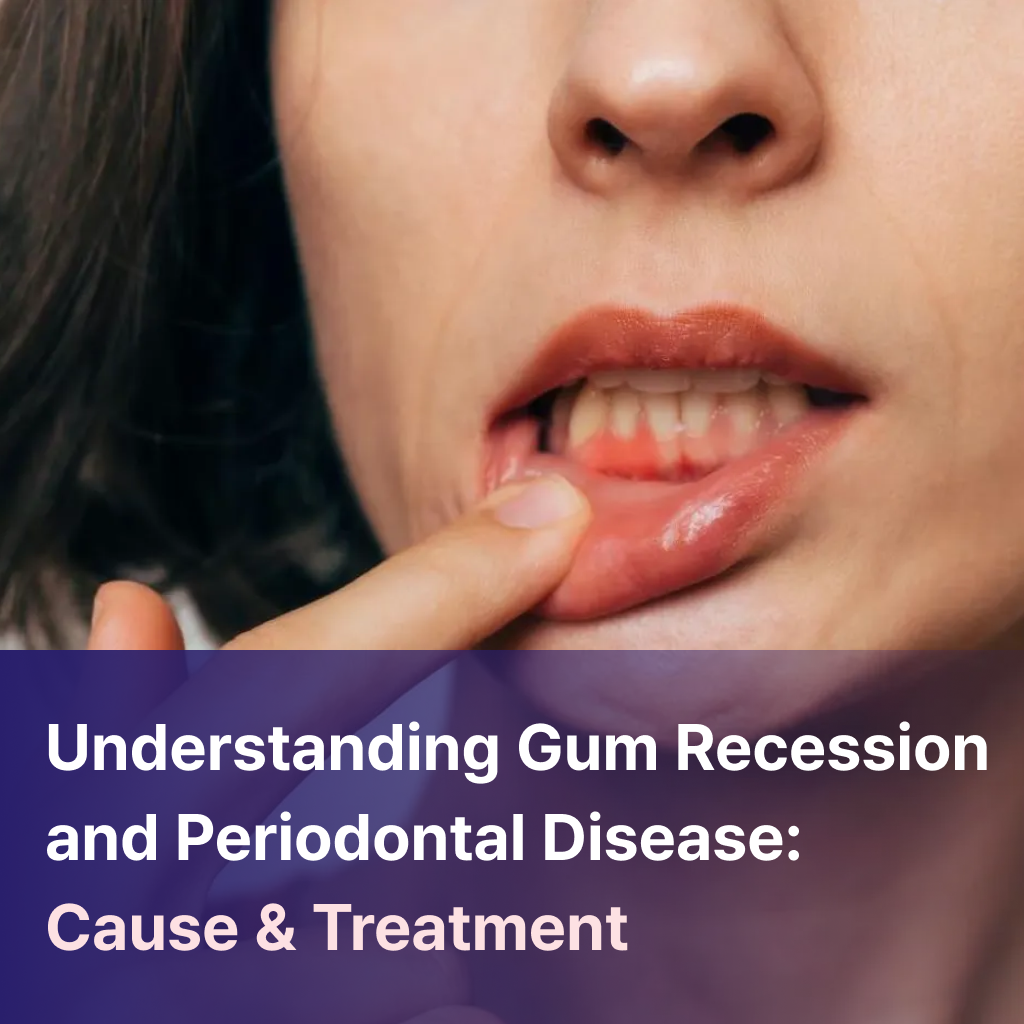
Many people are surprised when they look in the mirror one day and feel like their teeth have “grown longer.” In reality, the teeth do not grow; rather, the gums begin to recede. Gum recession can be a visible sign of periodontitis, a chronic inflammatory condition affecting the tissues that support your natural teeth.
Consider a scenario familiar to many adults: mild gum discomfort, occasional bleeding while brushing, and gradually noticing more of the tooth surface exposed. These symptoms can be subtle at first but often indicate underlying gum disease that requires professional attention.
Understanding Gum Disease: From Gingivitis to Periodontitis
Gum disease generally begins with gingivitis, the earliest stage of inflammation affecting the gums. At this stage, the gums may become red, swollen, tender, or bleed easily, but the supporting bone around the teeth has not yet been damaged. With proper oral hygiene and professional dental care, gingivitis can often be reversed.
If the inflammation continues and begins to affect the tissues and bone that support the teeth, it can progress into periodontitis. At this stage, the condition becomes more serious and requires professional treatment to control its progression.
Common Risk Factors for Gum Recession and Disease
- Poor oral hygiene
- Genetics or family history of gum disease
- Smoking or vaping
- Crooked or misaligned teeth
- Hormonal changes
- Systemic conditions such as diabetes
- Aggressive brushing with a hard-bristle toothbrush
When gum disease progresses, it can create deeper pockets around the teeth and lead to bone loss, but early intervention makes a big difference. One of the most effective treatments is Scaling and Root Planing (SRP), a non-surgical deep cleaning that removes plaque and tartar from below the gumline and smooths the root surfaces. This helps control inflammation, reduce periodontal pocket depth, and slow further disease progression around your natural teeth.
Understanding Periodontal Disease
Periodontitis is an inflammatory condition affecting the supporting structures around the teeth. These supporting tissues include:
- The alveolar bone, which holds the tooth
- The cementum, the outer layer covering the tooth root
- The periodontal ligament, which cushions the tooth
- The gum tissue, which protects and seals the area
When bacteria accumulate around the gums, inflammation begins. Without effective plaque control and appropriate professional dental care, this inflammation can progress. Over time, the gums may detach from the teeth, periodontal pockets may deepen, and the supporting bone can progressively resorb.
As periodontal support is lost and the gum margin recedes, more of the tooth or root surface can become exposed. This makes the tooth appear longer, even though the tooth itself has not changed.
Symptoms of Periodontitis
Periodontitis often develops gradually and may show little to no noticeable symptoms early on. Common signs include:
- Sensitive teeth
- Persistent bad breath
- Red, swollen, or tender gums
- Bleeding while brushing or flossing
- Gums that pull away from the teeth, creating a periodontal pocket
- Teeth that appear longer as a result of gumline recession
- Loosening or shifting teeth
Since early gum disease may cause only mild symptoms, regular dental examinations are important for identifying changes before more significant periodontal damage develops.
How Periodontal Disease Is Treated
The foundation of periodontal treatment is the thorough removal of bacteria and tartar that have accumulated below the gumline and around the tooth roots. The goal is to control inflammation and help prevent further loss of periodontal support.
Nonsurgical Treatments
Scaling and Root Planing (SRP) is a common initial nonsurgical treatment for periodontitis.
- Scaling removes plaque and tartar from the tooth surface and from below the gumline.
- Root planing smooths the root surface and helps remove bacterial deposits and calculus, creating a cleaner surface for the surrounding tissues to heal.
Together, these procedures help reduce inflammation, improve periodontal pocket conditions, and slow the progression of the disease.
Advanced Periodontal Procedures
When periodontal disease is more advanced or does not respond sufficiently to nonsurgical treatment, additional periodontal procedures may be considered. Depending on the patient’s condition, these may include:
- Periodontal pocket reduction procedures, which provide better access to deeper root surfaces so bacteria and deposits can be removed
- Regenerative procedures, which may be considered in selected areas where periodontal disease has damaged supporting bone or tissue.
- Gum grafting or root-coverage procedures, which may help protect exposed roots, reduce sensitivity, and address certain types of gum recession.
Depending on the severity and complexity of the condition, the dentist may also refer the patient to a periodontist for specialized care.
After Treatment: Sensitivity and Aesthetic Concerns
Even after successful periodontal treatment, many patients are left with receded gums, visible root surfaces, and teeth that appear noticeably longer. Sensitivity to cold or brushing is common, and the visual changes can significantly affect confidence.
A patient may feel relief that the infection is under control yet still feel unhappy with the appearance of their smile. While periodontal health may be stabilized, changes caused by previous tissue loss can remain visible.
Addressing Gum Recession with Pink MINISH
For patients experiencing gum recession and exposed roots due to periodontitis, MINISH offers a minimally invasive aesthetic solution. These restorations are designed to:
- Mask exposed root areas
- Restore the natural gumline appearance
- Improve balance and harmony in the smile
- Rebuild confidence after gum tissue loss
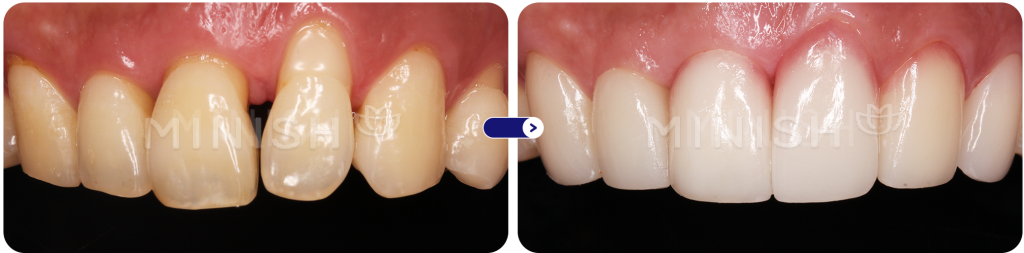
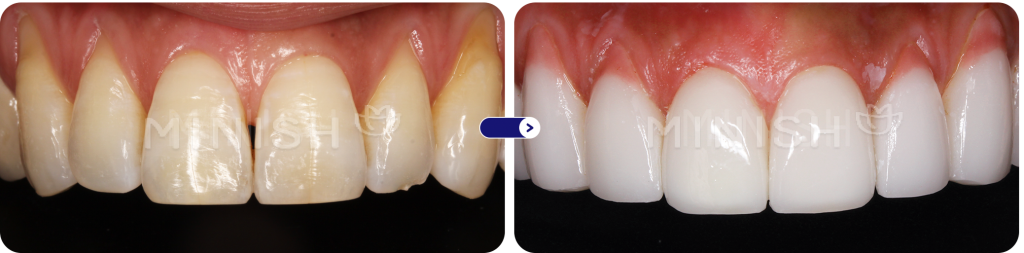
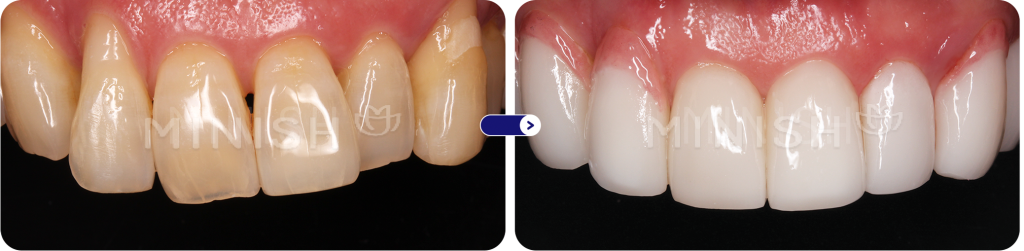
Pink MINISH blends naturally with the surrounding gum tissue, helping recreate the visual appearance of a more balanced gumline without surgery. This approach is especially helpful for selected cases where recession has created visible gaps, shadows, or exposed root surfaces around the teeth.
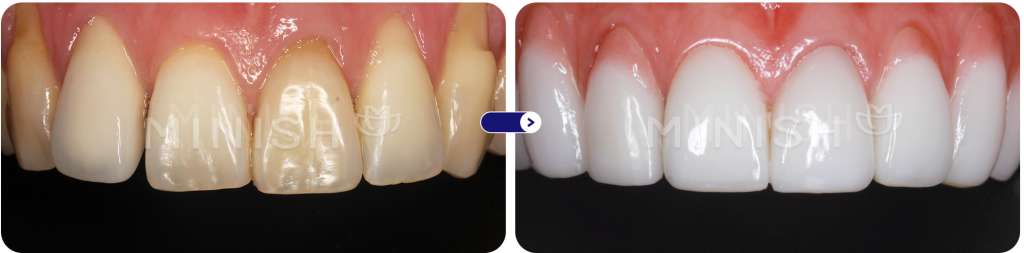
Smile Restoration After Gum Recession
Patients with gum recession often report embarrassment when smiling or speaking. With MINISH restorations, whether tooth-colored restorations, Pink MINISH, or combined solutions, patients may be able to regain both function and appearance.
Depending on the individual case, before-and-after results may show improvements such as:
- Improved smile symmetry
- Reduced visibility of exposed roots
- A more continuous-looking gumline
- More balanced tooth-to-gum proportions
- A refreshed, natural smile
This allows individuals to move forward with greater confidence after addressing both the periodontal condition and its remaining aesthetic effects.
A Path Forward for Health and Aesthetics
Periodontal disease is common, but it’s also manageable when treated early. While gums that have receded do not grow back on their own, modern restorative options make it possible to rebuild both oral health and appearance.
By addressing the infection through periodontal treatment and restoring aesthetics using precision-based MINISH techniques, patients can enjoy a smile that is both healthy and beautiful in the long term.
Frequently Asked Questions (FAQs)
Gum recession occurs when the gumline moves away from its normal position, exposing more of the tooth or root surface. It can occur with periodontal disease or from other factors such as aggressive brushing or tooth position.
Common risk factors include poor oral hygiene, smoking, tooth position, genetics, diabetes, hormonal changes, and aggressive brushing.
Periodontitis is an inflammatory gum disease that damages the tissues and bone supporting the teeth. If untreated, it can eventually lead to loose teeth or tooth loss.
Common signs include bleeding or swollen gums, bad breath, sensitivity, gum recession, periodontal pockets, and loose or shifting teeth.
Treatment often begins with Scaling and Root Planing (SRP) to remove plaque and tartar below the gumline. More advanced cases may require specialized procedures like subgingival curettage or gum resection.
No. Once gum tissue has receded, it does not typically grow back naturally. Patients often achieve functional health after treatment but are left with visible root surfaces and teeth that appear noticeably longer.
After periodontal health is stabilized, MINISH may help mask exposed root areas by blending with the surrounding gum tissue, create the appearance of a more even gumline, and improve smile symmetry without surgery.
Yes, absolutely. The underlying infection and inflammation (periodontitis) must be successfully treated and stabilized through professional periodontal treatment before any aesthetic restorations such as MINISH are considered.
Check Out Our Other Blog Posts!
Looking for more insights on cutting-edge dental technology, minimally invasive treatments, and tips for preserving natural tooth structure? Explore our latest blog posts—from expert advice by Dr. Kang to real success stories and insights from MINISH Dental Hospital.
Whether you’re a dental professional or a curious patient, you’ll find valuable info on everything from tooth integrity, oral health, and innovative dental solutions to the science behind MINISH.
👉 Stay informed. Stay inspired.